Black-faced Cuckoo-shrike
Coracina novaehollandiae
Family: Campephagidae (Cuckoo-shrikes and Trillers, 7 species in Australia)
Size: 33 cm
Distribution: Basically all of Australia
Status: Common to moderately common
Habitat: Open woodland, forest
References: Simpson and Day, Reader's Digest
Whenever I see a Black-faced Cuckoo-shrike it is usually either raining, cloudy, or looks like it might rain. They are almost always seen high up in trees, not on the ground. They have a very distinctive call that I will put on the site as an audio recording when I get around to it.

Photo: Blaxland, Blue Mountains NSW.

Photo: Blaxland, Blue Mountains NSW.

Artwork: John Gould, 'The Birds of Australia', 1848. Original Scanned Image.
Some Birdwatching Resources
|
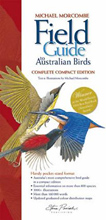 Field Guide to Australian Birds: Complete Compact Edition, by Michael Morcombe. Based on the above larger book. It's a while since I've seen this one. The publisher's commentary says that "This slimline, compact edition contains the same information on mainland and Tasmanian birds as his best-selling handbook, the Field Guide to Australian Birds. Features include plastic jacket, QuickFind system of colour tags and Quick Index ensure durability and ease of use in the field."
Purchase from Australia (Booktopia)
Purchase from Australia (Angus & Robertson) 
|
|
 Finding Australian Birds A Field Guide to Birding Locations, by Tim Dolby and Rohan Clarke. From the eastern rainforests to central deserts, Australia is home to some 900 species of birds. This book covers over 400 Australian bird watching sites conveniently grouped into the best birding areas, from one end of the country to the other. This includes areas such as Kakadu in the Top End and rocky gorges in the central deserts of the Northern Territory, the Great Barrier Reef in Queensland, rainforests distributed along the eastern Australian seaboard, some of the world's tallest forests in Tasmania, the Flinders Ranges and deserts along the iconic Strzelecki and Birdsville Tracks in South Australia, and the Mallee temperate woodlands and spectacular coastlines in both Victoria and south west Western Australia.
Purchase from Australia (Booktopia)
| See AlsoAustralian Bird Field Guides
Return to Australian Birds
Return to Site Map
australia birds
Content is copyright © Survival.org.au 2005-2026 All Rights Reserved. Terms of Use. Definitely read the disclaimer before trying anything from this website, especially including the practices and skills. This website uses affiliate links – this doesn't cost you any more, but I get a commission on purchases made through the website. As an Amazon Associate I earn similarly from qualifying purchases.
|