Spotted Pardalote
Pardalotus punctatus
Family: Pardalotidae (Pardalotes, Bristlebirds, Scrubwrens, Thornbills and allies, 30 species in Australia)
Size: 8-10 cm
Distribution: Within about 400 km of the coast of NSW, lower QLD and Eastern SA, all of TAS and VIC, parts of SW WA
Status: Common to moderately common
Habitat: Eucalypt forests, dry eucalypt woodlands, mallee
References: Simpson and Day, Reader's Digest
The spotted pardalote is a lovely, tiny bird that is heard much more often than it is seen. Its call is two, (most commonly) three, or four "pip pip pip" sounds in quick sucession. It nests in holes in the ground and is often attacked by animals like cats.

Photo: Blaxland, Blue Mountains NSW. High Resolution (1618 x 1145)

Photo: Blaxland, Blue Mountains NSW. High Resolution (1357 x 955)

Artwork: John Gould, 'The Birds of Australia', 1848. Original Scanned Image.
Some Birdwatching Resources
|
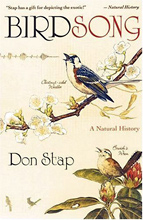 Birdsong, Don Stap. From the promotional material: "Following one of the world's experts on birdsong from the woods of Martha's Vineyard to the tropical forests of Central America, Don Stap brings to life the quest to unravel an ancient mystery: Why do birds sing and what do their songs mean? We quickly discover that one question leads to another. Why does the chestnut-sided warbler sing one song before dawn and another after sunrise? Why does the brown thrasher have a repertoire of two thousand songs when the chipping sparrow has only one? And how is the hermit thrush able to sing a duet with itself, producing two sounds simultaneously to create its beautiful, flutelike melody?"
Purchase from Australia (Booktopia)
Click here to purchase from Australia (Fishpond)
Click here to purchase from Wilderness Awareness School $24.00 USD (May not work) | See AlsoAustralian Bird Field Guides
Return to Australian Birds
Return to Site Map
australia
Content is copyright © Survival.org.au 2005-2026 All Rights Reserved. Terms of Use. Definitely read the disclaimer before trying anything from this website, especially including the practices and skills. This website uses affiliate links – this doesn't cost you any more, but I get a commission on purchases made through the website. As an Amazon Associate I earn similarly from qualifying purchases.
|