Wonga Pigeon
Leucosarcia melanoleuca
Family: Columbidae (Pigeons and Doves, 25 species in Australia)
Size: 36-39 cm
Distribution: Within about 200 km of the coasts of NSW, South QLD, Eastern VIC
Status: Common
Habitat: Coastal, dense forests, scrubs, rainforests
References: Simpson and Day, Reader's Digest
The Wonga Pigeon is known for its "woop, woop, woop, woop, woop..." call, which can go for hours, almost without a break. In older times it was known for being good eating, and is one of the only (perhaps the only) pigeon with white meat.
The Wonga Pigeon is almost always seen on the ground and it is very shy, they are heard much more than they are seen.

Photo: Featherdale Wildlife Park, Sydney NSW. High Resolution (2556 x 1779).

Photo: Wentworth Falls, Blue Mountains NSW

Photo: Wentworth Falls, Blue Mountains NSW

Artwork: John Gould, 'The Birds of Australia', 1848. Original Scanned Image.
Some Birdwatching Resources
|
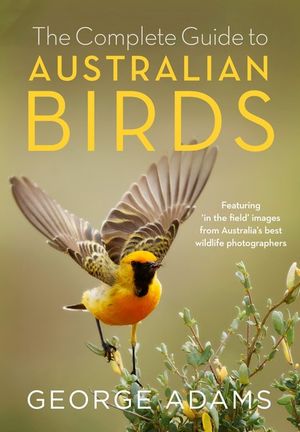 NEW: The Complete Guide to Australian Birds, by George Adams.
 This is another of the newer ones (published in November 2018) that I bought recently (June 2020). It's got photographs rather than drawn pictures of the birds. They're really good quality photos. 10 or more years ago, the Australian bird field guides with photographs definitely weren't in the same class as the ones with hand-drawn pictures, but that seems to have changed. Now I think it's more a matter of personal preference. I imagine that the massive increases in availability of long-zoom-distance digital photographic equipment has made it much easier for there to be better quality photos of birds.
This book has colured strips down the outside of each page so you can find the different types of birds easily, which I really like.
Purchase from Australia (The Nile)
Purchase from Australia (Fishpond)
Purchase from Amazon.com (USA Site)
Purchase from Amazon.com.au (Australian Site)
| See AlsoAustralian Bird Field Guides
Return to Australian Birds
Return to Site Map
Content is copyright © Survival.org.au 2005-2026 All Rights Reserved. Terms of Use. Definitely read the disclaimer before trying anything from this website, especially including the practices and skills. This website uses affiliate links – this doesn't cost you any more, but I get a commission on purchases made through the website. As an Amazon Associate I earn similarly from qualifying purchases.
|